
What to Expect From a Spring AC Tune-Up (And Why It Matters)
Knowing spring AC tune up what to expect can be the difference between a cool, worry-free summer and an emergency service call on the hottest day of the year. For San Diego homeowners, spring is the ideal window to get your cooling system inspected, cleaned, and ready before temperatures climb.
Here’s a quick summary of what a professional spring AC tune-up typically includes:
- Thermostat inspection and calibration
- Air filter check and replacement
- Outdoor condenser coil cleaning
- Evaporator coil inspection
- Refrigerant level check
- Electrical connections tightened and tested
- Condensate drain flushed and cleared
- Blower motor and airflow evaluation
- Full system performance test
A standard visit takes between 60 and 90 minutes and is designed to catch small problems before they turn into expensive summer breakdowns.
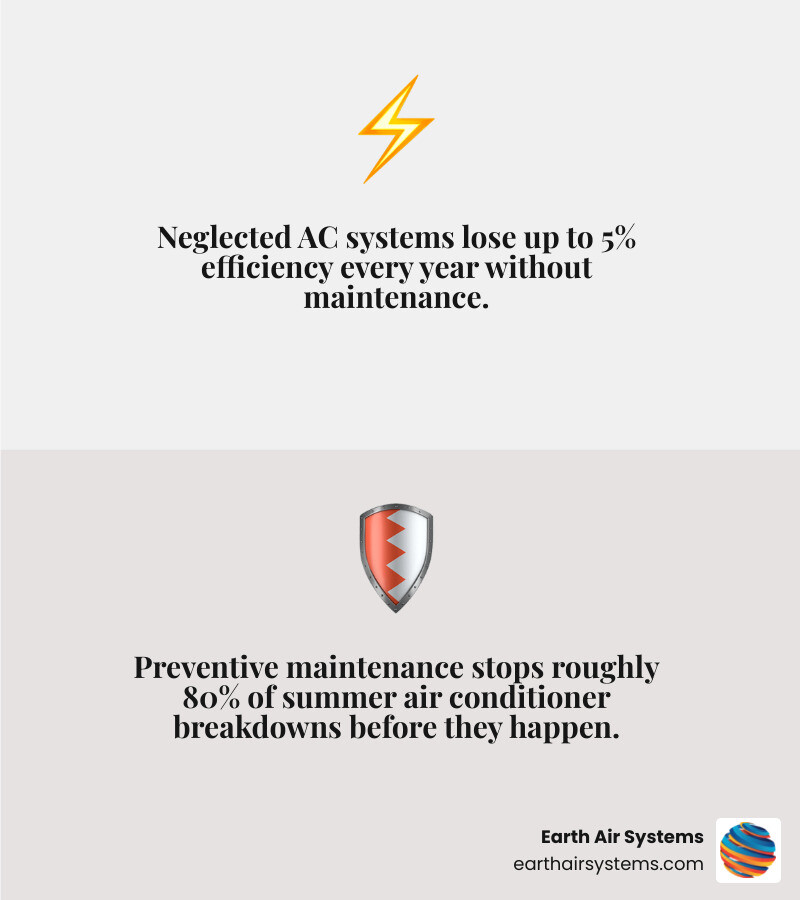
Without regular maintenance, your AC can lose up to 5% efficiency every year it goes unserviced — and a neglected system is far more likely to fail during a peak heat day when you need it most. Research also shows that preventive maintenance can prevent roughly 80% of summer AC breakdowns, making a spring tune-up one of the smartest investments a homeowner can make.
Whether your system is brand new or pushing a decade of use, a professional spring tune-up keeps it running efficiently, protects your manufacturer warranty, and extends its lifespan well beyond what a neglected unit could manage.
Why You Need a Spring AC Tune-Up Before Summer
Think of your air conditioning system like a car. You wouldn’t drive across the country without checking the oil, testing the brakes, and making sure the tires have air. Similarly, asking your AC to run nonstop through a warm Southern California summer without a checkup is a recipe for trouble.
Scheduling a spring tune-up offers several major benefits:
- Lower Energy Bills: Dust, pollen, and ocean salt can coat your outdoor condenser and indoor evaporator coils. This buildup acts as an insulating blanket, forcing your system to work harder to cool your home. A dirty or struggling AC unit can raise energy bills by 15% or more. Restoring clean coils and proper airflow ensures your system operates at peak efficiency.
- Extended Equipment Lifespan: A typical central air conditioning system should last 15 to 20 years. However, without professional maintenance, you might need a complete replacement after only a decade. In fact, unmaintained AC units can see their lifespans cut short by up to 50%. Regular maintenance keeps moving parts lubricated and electrical systems running smoothly, protecting your long-term investment.
- Preventing Major Breakdowns: There is nothing worse than having your AC go out during a July heatwave in Escondido or Chula Vista. Because most local HVAC companies are completely booked during peak summer days, you could face long wait times for repairs. A spring visit catches worn capacitors, pitted contactors, and loose wiring before they cause a total system shutdown.
- Preserving Indoor Air Quality: Over the winter, dust, pet dander, and mold spores can settle inside your ductwork and on the indoor evaporator coil. When you turn on your AC for the first time, these particles are blown directly into your living spaces. A thorough cleaning removes these allergens, helping everyone in your home breathe easier.
- Protecting Your Warranty: Many homeowners do not realize that major HVAC manufacturers require proof of annual professional maintenance to keep their parts warranties valid. If a critical component like your compressor fails, the manufacturer may deny your claim if you cannot show service records. Think of a spring tune-up as “warranty insurance.”
To learn more about how to keep your heating and cooling systems running smoothly year-round, check out The Ultimate Guide to AC Maintenance Services in San Diego.
Spring AC Tune Up What to Expect During a Professional Visit

When you schedule a professional visit, you might wonder what actually happens when our technician arrives at your home. A professional tune-up is highly structured, methodical, and clean. We treat your home with the utmost respect, wearing shoe covers and keeping our work areas tidy.
Here is a look at what to expect during our visit:
1. Initial Consultation and Thermostat Check
The visit begins with a brief chat. Our technician will ask if you have noticed any hot spots in your home, unusual noises, or sudden changes in your energy bills. We will then turn on your system and inspect your thermostat. We verify that the thermostat is calibrated correctly and communicating accurately with your cooling system.
2. Physical Inspection of Indoor and Outdoor Units
We perform a complete visual inspection of both the indoor air handler and the outdoor condenser unit. We look for signs of wear, physical damage, or shifting. In coastal San Diego neighborhoods like La Jolla, Carlsbad, and Coronado, we pay close attention to salt-air corrosion on the outdoor cabinet and coils.
3. Electrical and Safety Testing
Next, we open the electrical panels to inspect the wiring and components. Over time, the heat of regular operation causes electrical wires to expand and contract, which can loosen connections. We tighten all wire terminals and measure the electrical current (amperage and voltage) on the blower motor, outdoor fan motor, and compressor.
We also test two of the most common failure points in residential AC systems:
- The Capacitor: This small, cylinder-shaped component acts like a temporary battery, giving your compressor and fan motor the high-voltage boost they need to start up. If a capacitor is weak, your system will struggle to start and may eventually overheat and burn out.
- The Contactor: This is the electrical switch that turns your outdoor unit on and off. We check for “pitting” (electrical wear and carbon buildup) on the contactor points. If it is pitted, the switch can stick, causing your system to run continuously or fail to turn on at all.
For a deeper dive into managing your home comfort systems without the headache, read The No-Stress Guide to Maintaining Your Heating and Cooling.
Step-by-Step Checklist of a Professional AC Tune-Up
To ensure your system is completely ready for summer, our technicians follow a comprehensive checklist during every service visit. This systematic approach ensures that no detail is overlooked.
The Professional Maintenance Checklist
- Clean the Condenser Coil: We wash away dirt, grass clippings, and pollen from the outdoor condenser unit to restore optimal heat transfer.
- Inspect the Evaporator Coil: We check the indoor coil for dust, dirt, or mold buildup that could restrict airflow and cause the system to freeze.
- Verify Refrigerant Charge: We measure the refrigerant pressure and temperature to ensure it matches the manufacturer’s exact specifications.
- Flush the Condensate Drain: We clear out algae, sludge, and debris from the drain line and pan to prevent water damage.
- Test the Blower Motor: We evaluate the blower wheel and motor to ensure proper airflow distribution throughout your home.
- Measure the “Temperature Split”: We measure the temperature of the air entering the return vents versus the air leaving the supply vents. A healthy system should show a split of 16°F to 20°F.
- Tighten Electrical Connections: We secure all loose wires and replace any damaged electrical contacts.
- Lubricate Moving Parts: We apply lubricant to bearings and motors to reduce friction and wear (where applicable).
- Check System Safety Controls: We verify that all safety switches, such as high-pressure limits, are functioning correctly.
- Calibrate the Thermostat: We ensure your thermostat reads the room temperature accurately.
An overlooked drain line is a common cause of household water damage. Because an air conditioner removes moisture from the air as it cools, it can produce up to five gallons of water per day. If the drain line is clogged with algae or dust, that water has nowhere to go but back into your home, potentially damaging your ceilings, walls, or floors.
For more details about our local maintenance options, visit our page on Air Conditioning Services in San Diego: AC Maintenance in San Diego.
DIY Maintenance vs. Professional AC Service
Many homeowners ask us if they can handle their own AC maintenance. While there are a few important housekeeping tasks you can—and should—do yourself, a professional tune-up requires specialized tools, diagnostic instruments, and safety training.
What You Can Do (DIY Tasks)
- Change Your Air Filter: This is the single most important task a homeowner can perform. We recommend checking your filter every 30 to 90 days. If you live in areas with high pollen or have pets, you may need to change it monthly.
- Keep the Outdoor Unit Clear: Ensure there is at least a two-foot clear zone around your outdoor condenser. Trim back bushes, pull weeds, and remove any leaves or trash that have gathered around the metal cabinet.
- Keep Vents Clear: Make sure your indoor supply and return vents are not blocked by furniture, curtains, or rugs.
For more tips on filter care, check out our guide: Stop Suffocating Your AC with Old Filters.
What Requires a Professional
- Refrigerant Handling: Refrigerant is a specialized chemical that is self-contained within your system. It does not get “used up” or wear out. If your refrigerant is low, you have a leak. Locating, repairing, and recharging refrigerant requires specialized gauges and an EPA Section 608 certification.
- Electrical Work: Testing high-voltage capacitors, contactors, and compressor terminals poses a real risk of electrical shock. Our technicians use calibrated multimeters and follow strict safety protocols.
- Deep Coil Cleaning: While hosing off your condenser is helpful, deep cleaning requires specialized, non-acidic chemical cleaners that dissolve stubborn dirt without damaging the delicate aluminum fins.
| Maintenance Task | DIY Friendly? | Requires a Professional? | Why? |
|---|---|---|---|
| Filter Replacement | Yes | No | Simple slide-in process; protects system airflow. |
| Outdoor Unit Clearance | Yes | No | Keeping plants 2 feet away prevents restricted airflow. |
| Electrical Inspections | No | Yes | High-voltage components present serious safety risks. |
| Refrigerant Diagnostics | No | Yes | Requires EPA certification and precise diagnostic gauges. |
| Drain Line Flushing | Yes (Basic) | Yes (Deep Flush) | Homeowners can use vinegar; pros use pressure tools to clear stubborn blocks. |
| Coil Chemical Cleaning | No | Yes | Specialized chemicals can damage coils if applied incorrectly. |
Frequently Asked Questions About Spring AC Maintenance
To help you feel completely confident in scheduling your spring service, we have compiled answers to the most common questions we hear from local homeowners.
How long does a spring ac tune up what to expect take?
A standard professional AC tune-up typically takes between 60 and 90 minutes. This allows enough time for the technician to perform a complete physical inspection, clean the outdoor unit, test the electrical systems, clear the drain lines, and run a full performance cycle.
The exact duration can vary slightly depending on the accessibility of your equipment. For example, if your indoor air handler is in a tight attic or crawlspace, it may take a little longer to access and inspect.
How often should I schedule a spring ac tune up what to expect?
You should schedule a professional AC tune-up once a year, ideally in the spring (March or April) before the summer heat arrives.
If you have a heat pump system rather than a traditional furnace-and-AC setup, you should schedule professional service twice a year—once in the spring to prepare for cooling, and once in the fall to prepare for winter heating. Because heat pumps work year-round, they experience twice the wear and tear of a standard air conditioner.
To learn more about how San Diego’s unique climate influences your system’s maintenance needs, read Mild Climates and Maintenance: How Often Should You Service Your System?.
What are the signs that my air conditioner needs immediate service?
While annual maintenance is preventive, your system may occasionally need immediate attention between visits. Keep an eye out for these warning signs:
- Weak Airflow: If you feel very little air coming out of your registers, your blower motor may be struggling or your ductwork could be leaking.
- Strange Noises: Squealing, grinding, or loud rattling noises indicate worn bearings, a failing fan motor, or loose components.
- Frequent Cycling: If your AC turns on and off every few minutes, it may be overheating, low on refrigerant, or experiencing a thermostat malfunction.
- Warm Air: If the air coming out of your vents feels warm or lukewarm, your compressor may not be engaging or you could have a refrigerant leak.
For answers to more common heating and cooling questions, check out our HVAC FAQs.
Conclusion
A professional spring AC tune-up is the single best way to ensure your home remains a cool, comfortable sanctuary all summer long. By taking a proactive approach to your home comfort, you will enjoy lower utility bills, cleaner indoor air, and the peace of mind that comes with knowing your system is ready for whatever the season brings.
At Earth Air Heating & Cooling, we have spent over 40 years helping San Diego County homeowners stay comfortable. From Oceanside and Carlsbad down to Chula Vista and Downtown San Diego, our licensed, background-checked technicians are committed to providing top-notch, reliable service. With our transparent, flat-rate pricing and a 100% customer satisfaction guarantee, you can rest easy knowing your home is in expert hands.
Don’t wait for the first hot day of 2026 to find out if your air conditioner is up to the task. Visit Earth Air Systems Air Conditioning Services in San Diego to schedule your spring tune-up today!
