
Why Knowing How Often Should You Service Your HVAC System Matters for San Diego Homeowners
How often should you service your HVAC system depends on your system type, but here is the quick answer most homeowners need:
| System Type | Recommended Service Frequency | Best Timing |
|---|---|---|
| Central Air Conditioner | Once per year | Spring (March-May) |
| Gas Furnace | Once per year | Fall (September-November) |
| Heat Pump | Twice per year | Spring + Fall |
| Older Systems (10+ years) | Twice per year minimum | Spring + Fall |
For most San Diego homes, at least one professional HVAC service per year is the baseline. Twice per year is the gold standard — and the right choice if you have a heat pump, an older system, or live near the coast.
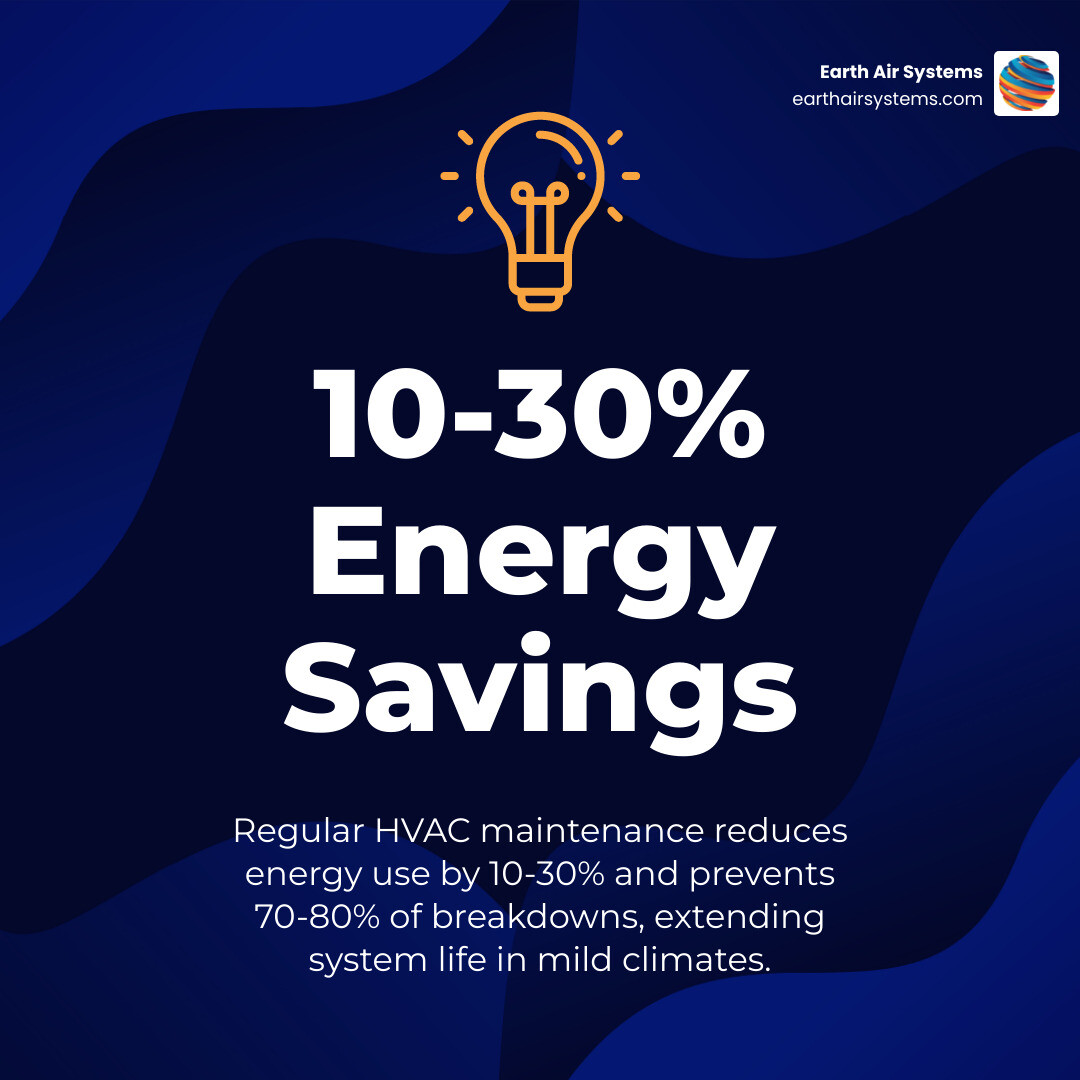
Your HVAC system quietly works through every season to keep your home comfortable. But like a car that needs regular oil changes, it builds up wear, dirt, and small problems that compound over time. Research consistently shows that a well-maintained system can use 10 to 30% less energy than a neglected one — and that annual maintenance prevents 70 to 80% of unexpected breakdowns.
In San Diego’s mild but unique coastal climate, the stakes are real. Salt air, marine layer humidity, and year-round moderate temperatures all influence how hard your system works and how quickly components can degrade. Skipping service does not mean nothing is happening — it means problems are growing quietly until they become expensive.
This guide walks you through exactly how often your system needs attention, what affects that schedule, and what you can do between visits to protect your investment.
How Often Should You Service Your HVAC System?
When we talk about how often should you service your HVAC system, the “Gold Standard” in the industry is a biannual schedule. This means having a professional technician visit your home twice a year: once in the spring to prepare your air conditioning for the summer heat, and once in the fall to ensure your heating system is safe and efficient for the cooler months.
While it might be tempting to think that our mild San Diego weather allows us to skip a year, the reality is that regular maintenance is what keeps those systems running for 15 to 20 years instead of failing at the 10-year mark. According to The Ultimate Guide to AC Maintenance Services in San Diego, consistent care is the single most effective way to prevent mid-season breakdowns when you need your system most.
Annual vs. Twice-Yearly Maintenance: Which is Right for You?
The frequency of your service often depends on the specific equipment you have installed.
| Feature | Annual Maintenance | Twice-Yearly Maintenance |
|---|---|---|
| Best For | Newer, single-function units (AC only or Furnace only) | Heat pumps, older systems (10+ years), coastal homes |
| Energy Impact | Maintains baseline efficiency | Optimizes performance; can save 10-30% on bills |
| Breakdown Risk | Low, but misses seasonal transitions | Lowest; catches 80% of issues before they happen |
| Warranty | Usually meets minimum requirements | Exceeds requirements; provides maximum documentation |
| Air Quality | Standard filter changes | Enhanced cleaning of coils and blowers |
Why Heat Pumps Change how often should you service your hvac system
If your home utilizes a heat pump, the rules for how often should you service your hvac system shift significantly. Unlike a dedicated air conditioner that rests in the winter or a furnace that sleeps in the summer, a heat pump is a year-round workhorse. It uses a reversing valve to provide both cooling and heating, meaning it never truly gets a “season off.”
Because the components—especially the compressor and the reversing valve—are in constant use, we strongly recommend twice-yearly Heating Maintenance in San Diego for these units. Constant operation leads to faster accumulation of dirt on the coils and more frequent wear on electrical contactors. A spring visit focuses on the cooling cycle and condensate drainage, while a fall visit ensures the defrost cycle and supplemental heating elements are ready for those chilly January nights in North County or Escondido.
Signs that indicate how often should you service your hvac system more frequently
Sometimes, your system tells you it needs a check-up before the calendar does. If you notice any of the following “red flags,” it’s time to schedule AC Maintenance in San Diego regardless of when your last visit was:
- Weak Airflow: If the air coming from your vents feels like a faint breeze rather than a steady stream, you likely have a clogged filter, a failing blower motor, or leaky ductwork.
- Unusual Noises: Rattling, buzzing, or screeching sounds often indicate loose components or a motor bearing that is about to seize.
- Rising Energy Bills: If your utility costs are spiking but your usage hasn’t changed, your system is likely working 20-30% harder than it should due to dirty coils or low refrigerant.
- Short Cycling: This is when the system turns on and off rapidly. It puts immense strain on the compressor and is often caused by overheating or sensor issues.
- Uneven Temperatures: If the living room is a freezer but the bedroom is a sauna, your system’s calibration or duct distribution needs professional attention.
The Impact of San Diego’s Coastal Climate on Service Needs
Our geography plays a massive role in how often should you service your hvac system. Living in San Diego means balancing the needs of different microclimates, from the salt spray of the coast to the dry heat of the inland valleys.
Coastal Corrosion and Salt Air
For our neighbors in Coronado, La Jolla, and Del Mar, salt air is the primary enemy. Salt is highly corrosive to the delicate aluminum fins on your outdoor condenser coils. Without regular rinsing and professional cleaning, these fins can “fluff” and disintegrate, leading to a massive loss in cooling efficiency—sometimes as much as 40%. If you are looking for Professional AC Maintenance in Coronado, you should consider a schedule that includes more frequent coil inspections to combat this “salt creep.”
Humidity and Dust
In areas like Chula Vista and National City, the marine layer brings higher humidity levels. This moisture can lead to biological growth inside your drain pans or “dirty sock syndrome” in your evaporator coils. Regular maintenance ensures your condensate lines are cleared of algae and sludge, preventing water damage to your home. On the flip side, residents in inland areas like San Marcos or El Cajon deal with more dust and pollen, which clogs filters faster and requires more frequent blower compartment cleanings. Whether you are Finding the Best AC Maintenance in La Jolla, CA or the Top AC Maintenance Company in Chula Vista, the local climate dictates that “once a year” might be the bare minimum.
Professional Maintenance vs. Homeowner Tasks
While we are here to handle the technical heavy lifting, there are several tasks you can perform to support your system between professional visits. Think of this as the “daily exercise” that keeps your HVAC healthy between its “doctor’s appointments.”
The Homeowner Checklist
- Filter Replacement: This is the most important DIY task. Clogged filters can raise energy bills by 5-15% and are the leading cause of system failure. In San Diego, we recommend checking your filter every 30 days and replacing it at least every 90 days.
- Outdoor Clearance: Ensure your outdoor unit has at least two feet of clear space around it. Trim back any hibiscus, palms, or succulents that might be blocking airflow.
- Visual Inspections: Periodically check your outdoor unit for signs of “icing” on the copper lines or pooling water, which could indicate a leak.
- Vent Clearing: Make sure furniture, rugs, or curtains aren’t blocking your indoor supply and return vents.
What the Professionals Handle
When we perform a maintenance visit, we go far beyond what a homeowner can safely do. Our technicians utilize specialized tools and training to ensure every component is within manufacturer specifications. According to Your Guide to Local AC Maintenance Contractors, a professional visit typically includes:
- Coil Cleaning: We deep-clean the evaporator and condenser coils. Dirty coils can reduce efficiency by 15-25% and force the compressor to run hotter, shortening its life.
- Electrical Tightening: We check all wiring and tighten connections. California’s seismic activity and general vibrations can loosen these over time, leading to electrical shorts.
- Condensate Drain Clearing: We flush the drain lines to prevent clogs that cause indoor flooding.
- Thermostat Calibration: We ensure your thermostat is communicating accurately with your system so you aren’t paying for cooling you aren’t actually getting.
- Refrigerant Check: We measure the “charge” of your system. A low refrigerant charge reduces efficiency by 10-20% and is often a sign of a small leak that needs to be sealed.
Warranty Compliance and how often should you service your hvac system
One of the most overlooked reasons for regular service is your manufacturer’s warranty. Most major brands—like Lennox, Carrier, or Trane—explicitly state in their fine print that annual professional maintenance is required to keep the warranty valid.
If a major component like a compressor or heat exchanger fails in year seven, the manufacturer will often ask for service records. If you cannot provide proof that the system was maintained by a licensed professional, they may deny your claim, leaving you responsible for the full cost of the part. By sticking to a regular schedule, you are essentially “insuring” your warranty coverage.
Frequently Asked Questions about HVAC Service Frequency
Can skipping professional maintenance void my manufacturer warranty?
Yes, absolutely. Most HVAC manufacturers view their warranties as a two-way street: they provide the parts, but you must provide the upkeep. Without documented proof of annual or biannual service from a licensed contractor, you risk losing your coverage for expensive components. We always provide our customers with a digital or physical report of every service to ensure their records are up to date.
What is the difference between a tune-up and a repair?
A tune-up (or maintenance visit) is proactive. It involves cleaning, testing, and adjusting a system that is currently working to ensure it stays working and runs efficiently. A repair is reactive; it happens after something has already broken or the system has stopped cooling. Routine maintenance is designed to catch the “worn-out capacitor” during a tune-up before it becomes a “dead compressor” repair in the middle of a July heatwave.
How often should I change my air filters between professional visits?
While a professional will change your filter during their visit, you should be checking it yourself every 1-3 months. If you have pets (hello, golden retriever hair!), live near a construction site, or suffer from severe allergies, you should lean toward the 1-month mark. Using a filter with a higher MERV rating can help with air quality, but be sure to consult with us first, as filters that are too thick can actually restrict airflow and strain your motor.
Conclusion
Determining how often should you service your hvac system doesn’t have to be a guessing game. By following the “once-a-year” minimum or the “twice-a-year” gold standard, you are investing in your home’s comfort, your family’s safety, and your long-term financial savings. In San Diego, where our homes are our sanctuaries, a well-tuned HVAC system is the foundation of a stress-free living environment.
At Earth Air Systems, we bring over 40 years of experience to every home we visit. Whether you are in the heart of Downtown San Diego, the coastal bluffs of Solana Beach, or the sunny valleys of Escondido, our team is dedicated to providing reliable, high-quality service with flat-rate pricing you can trust. We don’t just fix units; we build long-term relationships based on 100% customer satisfaction.
Don’t wait for the first heatwave of the year to find out your system isn’t up to the task. Schedule your maintenance today and breathe easy knowing your home is in expert hands.
